Where Gen Z Actually Goes: New Lyft Ads Data Reveals the Real-World Behavior Brands Are Missing

Most Gen Z research tracks what this generation does online. Lyft Ads shows where they go in the real world — drawing on first-party data from 94 million rides¹ — and what that means for how brands plan, buy, and win with this audience.

14 April 2026
10min

The Value of Gen Z

Gen Z is one of the most important — and nuanced — audiences for marketers today.

They’re still forming brand loyalties, yet already wield massive spending power that’s expected to hit an estimated $12 trillion by 2030.2

At the same time, Gen Z is notoriously hard to engage. They rapidly switch between digital platforms, are skeptical of traditional ads, and want authenticity over interruption.

This cohort of true digital natives is also deeply experiential, often opting for shared experiences over material goods. While fragmented across channels, they’re highly concentrated in real‑world spaces like restaurants, campuses, bars, concerts, and movies. And they need a way to get there.

This is where mobility media comes in. Gen Z doesn’t just use Lyft; they depend on it, making it one of the few platforms that connects digital behavior with real‑world action.

Many of these riders began using Lyft in high school or college, often through shared or family accounts3, and continue throughout adulthood. For a generation less likely to have a driver’s license than teens in recent decades4, rideshare isn’t just a convenience. It’s a lifestyle.

1Data source: January 1, 2025 - December 31, 2025

2Global Gen Z Spending Report, NielsenIQ, GfK, and World Data Lab (WDL)
3Riders must be 18 or older to have their own Lyft account. Riders ages 13–17 may use Lyft through a Lyft Family account as Lyft Teen and cannot ride alone outside of that program.
4USA Today. (2024). "Gen Z is less likely to have a driver's license. Here's why.”

Why Mobility Matters for Marketers

Most media reaches Gen Z when they’re distracted and multitasking, scrolling social feeds while half-watching TV, and jumping between gaming and daily responsibilities.

The Lyft environment is different. Riders are fully present, phone in hand, often heading to places they are excited to go.

This presence plays out across the entire journey, creating opportunities for marketers. For instance:

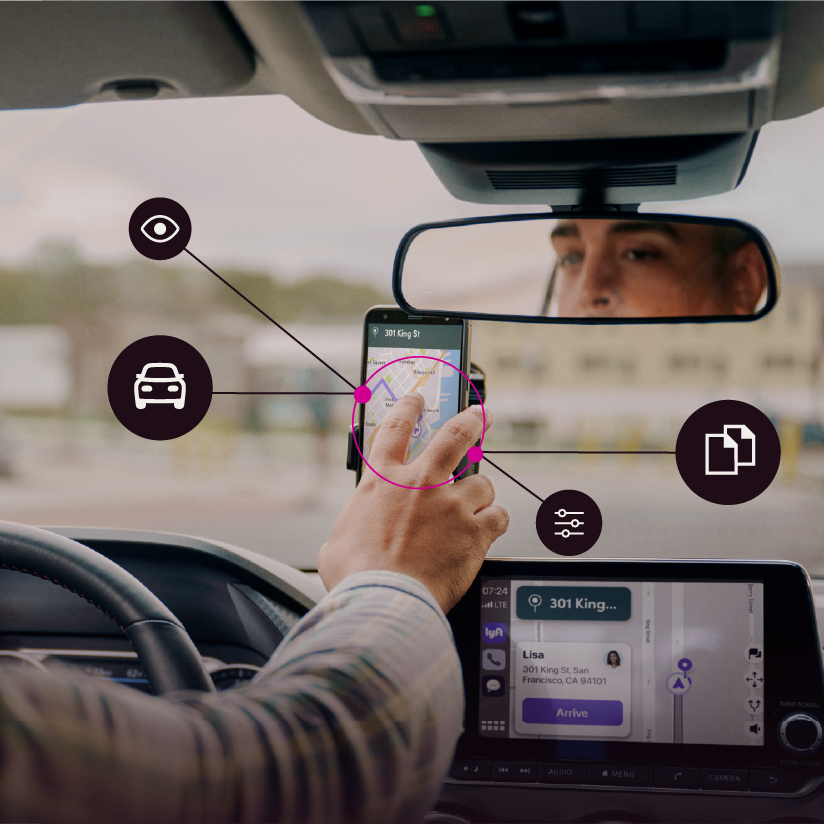
  • Before experiences, when anticipation is building, connect with riders through map ads.
  • During movement, when attention is focused, capture interest with carousel ads.
  • On the way home, when reflection and next-day planning begin, stay top of mind through audience extension ads as riders browse and scroll across other platforms. 

This generation of riders is still forming habits and brand preferences. Advertisers who connect with them build early familiarity and loyalty that will grow as Gen Z’s influence and spending power expands.

A Generation Driven by Experiences

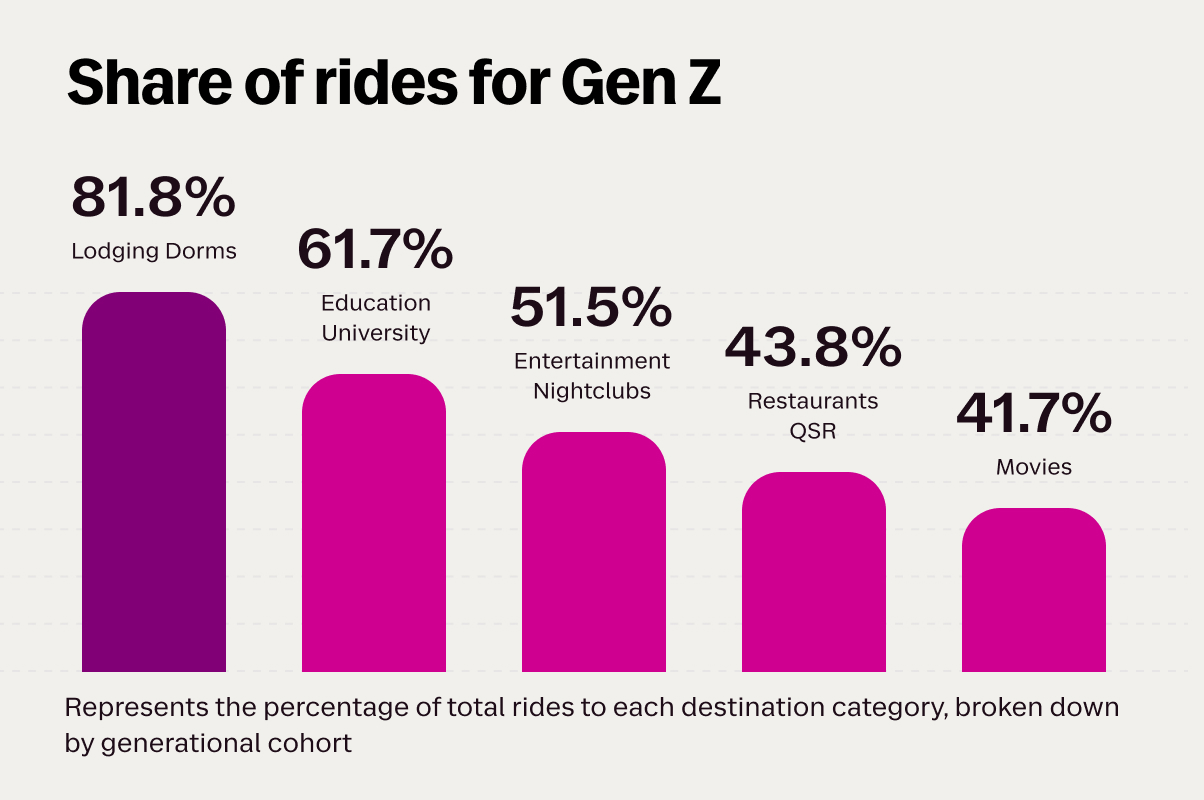
Gen Z leads cinema rides in 10 of 12 months. They outnumber Millennials in nightclub rides for most of the year. These aren't occasional trips. They're habitual journeys tied to culture and social life.

The ride is a bridge moment. Riders know where they’re going, and their mindset has shifted toward that experience. Brands that show up in that window reach people when anticipation and spending intent are high.

What this Means for Marketers

These riders aren’t simply going from Point A to Point B. They’re going somewhere they’re excited to be, whether it’s a friend's dorm, music festival, or favorite food joint . Each ride presents a powerful opportunity to engage Gen Z while they’re receptive, upbeat, and in a spending mindset.

Best Practices

  • Meet Gen Z where they’re headed. Align creative with destination intent instead of general brand-awareness.
  • Speak to the moment and mindset. Position messaging around fun, connection, craving, and memorable experiences.

Dining is a Top Destination

Restaurants are Gen Z’s top Lyft destination. While Millennials rank highest in airports and hotels, Gen Z prioritizes food.

Coffee chains and convenience dining dominate, driven by a mix of social ritual, affordability, and late-night behavior. These aren’t special-occasion trips. Rideshare is woven into Gen Z’s everyday food routine.

What this Means for Marketers

Lyft sits between craving and consumption, giving marketers a unique opportunity to reach Gen Z when deciding where to eat.

Best Practices

  • Reward the regulars. Provide perks and exclusive offers to reinforce loyalty with those who visit your restaurant often.
  • Use first-visit incentives and other promotions to attract new Gen Z diners.

Nightlife and Weekend Movement

Gen Z’s movement skews heavily toward nightlife and weekends. These riders aren’t commuting or running errands. They are comparing ride options, checking wait times, and watching the map in the app. 

These are high-attention moments when riders are unhurried, more engaged, and open to making spontaneous decisions about where to go next.

What this Means for Marketers

That openness creates opportunity. Decisions are still being made: where to eat, what to do next, and what’s coming tomorrow. 

Late night is an underutilized media window with high attention, strong context, and low competition. QSR, CPG, beverage, and entertainment brands are especially well positioned to own this space.

Best Practices

  • Lean into the moment. Focus your approach around fun and shared experiences rather than routine or necessity.
  • Tailor your approach to the time of day. Use midnight to 5 AM ads for messaging like “Open late,” and “Still serving until 2 AM.”
  • Connect a late night outing to the next day recovery with refueling and refreshment themes.
  • Keep the momentum going through audience extension ads that reach them the morning after.

High Engagement During the Ride

Gen Z doesn’t click impulsively, but they pay attention when content feels relevant or entertaining. The high video completion rate and notification interaction shows that the right message, in the right moment, gets viewed.

What this Means for Marketers

Mobility media gives brands ample opportunity to earn attention and shape perception. It’s prime real estate for storytelling and making an emotional connection. The strong response to in‑app notifications proves that relevance and timing turn passive riders into active audiences.

Best Practices

  • Hook viewers early with strong openings and visual storytelling.
  • Deliver value early. Lead with entertainment or utility before the brand message.
  • Leverage engaging formats like vertical video and include ride credit offers or sponsored rides to pique interest.
  • Use notifications to extend the moment, not interrupt it. Focus on messages that are relevant and useful, such as those that relate to their destination.

A Female-Led Audience

Lyft plays a major role in mobility for women, helping marketers capture attention and close the gap between digital discovery and in-store shopping. 

What this Means for Marketers

Female Gen Z riders are especially responsive to promotions, coupons, and value‑driven messaging. Beauty, fashion, wellness, and culture brands have a unique opportunity to connect with consumers through digital, in‑vehicle, and on‑site experiences.

Best Practices

  • Context drives conversions. Connect your message to the destinations where these riders go.
  • Combine marketing tactics. Pair promotional offers with experiential activations to generate greater lift.

The Markets Where Gen Z Moves Most

These high‑energy cities share common traits: large student populations, dense social ecosystems, and active nightlife. For Gen Z, these aren’t just places to live. They are places to explore and connect with others. 

What this Means for Marketers

Think of these areas as live Gen Z testing grounds. They represent concentrated pockets of influence, perfect for experimenting, scaling, and launching campaigns targeted at younger audiences like college students. Brands that show up here early can shape long-term habits, reaching Gen Z as they define their preferences, loyalties, and routines.

Best Practices

  • Test locally before scaling nationally. New creative, messaging, or positioning all benefit from real-world validation in these markets.
  • Capitalize on these metros for student-centered campaigns.
  • Prioritize urban tentpole events where Gen Z naturally clusters, rather than spreading budgets across older-skewing suburban markets.

A Value-Driven Mindset

Gen Z over-indexes on saver ride options, balancing affordability, speed, and convenience. They make deliberate decisions on price, actively comparing and evaluating choices. They’re also more apt to check the final price after a ride.

What this Means for Marketers

Price sensitivity doesn’t mean low engagement. It shows discernment. Gen Z is responsive to value-driven messaging precisely because they are paying close attention to cost and timing. A well-timed offer doesn't feel like an ad. It feels like a solution.

Best Practices

  • Highlight the value. Clearly show why your offer benefits them.
  • Make the deal feel exclusive. Promotions and offers land better when they feel personal, time-sensitive, and relevant.
  • Position your promotion as a perk, not just a discount. For instance, offer sponsored rides to create a positive brand moment and drive engagement.
  • Use direct, action-oriented copy like “save on your ride” or “exclusive offer” to grab attention.

Putting it All Together: How to Connect with Gen Z

Gen Z’s movement patterns on Lyft reveal a clear picture.

This generation moves toward experiences: food, friends, nightlife, concerts, and campus life. They ride frequently, especially on weekends and late at night, and they're fully present when they do. They finish videos, read offers, and interact with content that feels relevant to who they are, where they are, and where they're headed.

Takeaways:

  1. Lyft reaches Gen Z before decisions are made. Mobility media puts your brand in the moments when choices are still open. 
  2. Gen Z is loyal, but still persuadable. Brand preferences exist, but they're not yet locked in. Consistent presence during ride moments establishes familiarity that compounds over time.
  3. Value messaging attracts attention. Gen Z pays close attention to cost. A relevant, well-timed promotion doesn't feel like an ad. It comes across as a smart way to save.
  4. Context beats interruption. Ads that match destination, the time of day, and rider mindset perform. As does engaging storytelling. Generic creative does not. 

This is a future-defining audience. Riders who began using Lyft in their younger years carry those habits forward. Advertisers who connect with them are building relationships that will grow with this generation’s spending power. The brands that show up now aren't just running a campaign. They're earning long-term loyalty.

Methodology: Data Scope and Quality Controls

Our analysis assessed rides from Lyft accounts attributed to users aged 18-29 during the 2025 calendar year. To ensure data quality, we cleaned the data to remove outliers for a robust analysis.

This methodology ensures that every recommendation in this guide is backed by statistically significant evidence, not industry assumptions or borrowed best practices from other platforms. In addition, every recommendation was validated by a team of experts from sales, UI/UX, design and creative teams at Lyft.

Ready to reach Gen Z in the moments that matter most?

Reach out to our team to explore audience targeting, discuss your campaign strategy, and connect with riders when anticipation and intent are highest.